
Stockholm Travel Guide → Getting around Stockholm
Getting around Stockholm
Stockholm is one of Europe’s easiest capitals to navigate — if you follow one simple rule: walk first, then use public transport only to connect islands. The city is compact, but water crossings can make short distances feel longer than they actually are.
This guide gives you a clear system: how to get from the airports (Arlanda, Bromma, Skavsta), how the SL network works, which tickets to choose, when to use ferries, and the most common mistakes visitors make.
Key idea: Treat Stockholm like connected islands — walk within areas, and use metro, tram or ferry only when crossing between them.
Quick facts (getting around Stockholm fast)
- Best transport rule: Walk the core city. Use metro, tram or ferry only to connect islands (Old Town ↔ Djurgården ↔ Södermalm)
- Transport provider: SL (Stockholms Lokaltrafik) runs metro, buses, trams and commuter ferries
- Best ticket for most visitors: 24h or 72h SL travelcard (Stockholm city / Zone A)
- Easiest airport transfer: Arlanda Express train (fastest) or airport bus (best value)
- Best ferry for tourists: Djurgården ferry (short, scenic and practical)
Golden rule: Stockholm feels compact, but water adds friction — walk first, then use SL to connect islands efficiently.
Table of contents
Use the links below to jump directly to the section you need.
Airports to city centre (Arlanda, Bromma, Skavsta)
Stockholm public transport (SL system)
How to buy tickets (step by step)
Airports to city centre
Stockholm has three airports travellers commonly use: Arlanda, Bromma, and Skavsta. The right transfer choice comes down to one thing — speed vs cost. Choose well here and the rest of your trip starts smoother.
Quick tip: Arlanda is the main airport with the fastest connections, Bromma is closest to the city, and Skavsta is the budget option (but far away).

Arlanda (default airport)
Arlanda is Stockholm’s main airport and where most visitors arrive. You have three clear transfer options:
- Fastest: train (Arlanda Express)
Best for: short trips, business travel
Why: fastest and most predictable option - Best value: airport bus
Best for: budget travellers
Why: cheaper than train, still simple and reliable - Most convenient: taxi / ride-hail
Best for: families, luggage, late arrivals
Rule: use fixed price when possible
Quick tip: On short trips, time matters more than price — the train is usually the best choice.
Bromma
Bromma is much closer to central Stockholm and often the simplest arrival.
- Best option: SL public transport
- Bus + metro combination
- Low cost, high convenience
Best for: short stays where you want to get into the city quickly.
Skavsta (important warning)
Skavsta is far from Stockholm and often surprises first-time visitors.
Reality check: Skavsta is not close to Stockholm. The transfer can take a large part of your day.
- Best option: dedicated airport bus
- Treat it as a separate journey
- Plan ahead, especially with luggage
Best for: longer trips. Not ideal for short weekend visits.
Quick comparison (fast decision)
- Easiest arrival → Arlanda + train
- Best value → Arlanda + airport bus
- With luggage → Arlanda + taxi (fixed price)
- Bromma arrival → SL public transport
- Skavsta arrival → plan for long transfer
1) Fastest: train
Best for: weekend trips (48h), business travel, anyone who values time
Why: fastest route into the city with minimal friction
2) Best value: airport bus
Best for: budget travellers and flexible schedules
Why: usually cheaper than the train while still reliable
3) Most convenient: taxi / ride-hail
Best for: families with luggage, late arrivals, door-to-door comfort
Rule: use reputable providers and agree a fixed price where possible
Quick tip: If you’re visiting for a short weekend, time is your most valuable currency — the train usually wins.
Bromma
Bromma is much closer to central Stockholm and usually the simplest arrival.
Best option: SL public transport
Typically bus + metro. Low cost and efficient.
Best for: short stays where you want to check in quickly without overthinking logistics.
Skavsta (warning: Skavsta to Stockholm transfer)
Skavsta is far from Stockholm and often catches first-time travellers off guard.
Reality check
Skavsta is not close to Stockholm — transfers can take a large chunk of your day.
Best option: dedicated airport bus
Treat it like a mini-transfer journey and plan around it (especially with luggage).
Best for: longer stays. Not ideal for 48h unless you accept the travel time.

Quick comparison (fast decision)
If you want the easiest arrival (most travellers): Arlanda + train
If you want the best value: Arlanda + airport bus
If you travel with kids + luggage: Arlanda + taxi (fixed price if possible)
If you land in Bromma: SL public transport
If you land in Skavsta: accept a longer transfer and simplify the rest of the day
Plan your stay smarter:
Best areas to stay →
Weekend itinerary →
Stockholm public transport (SL system)
Stockholm is one of Europe’s easiest capitals to navigate because the city is compact, the system is reliable, and the best way to experience it is walking + short connections. Public transport is there to remove friction — not replace the experience.
What is SL and how it works
SL (Storstockholms Lokaltrafik) is Stockholm’s public transport provider. One system covers almost everything you’ll use:
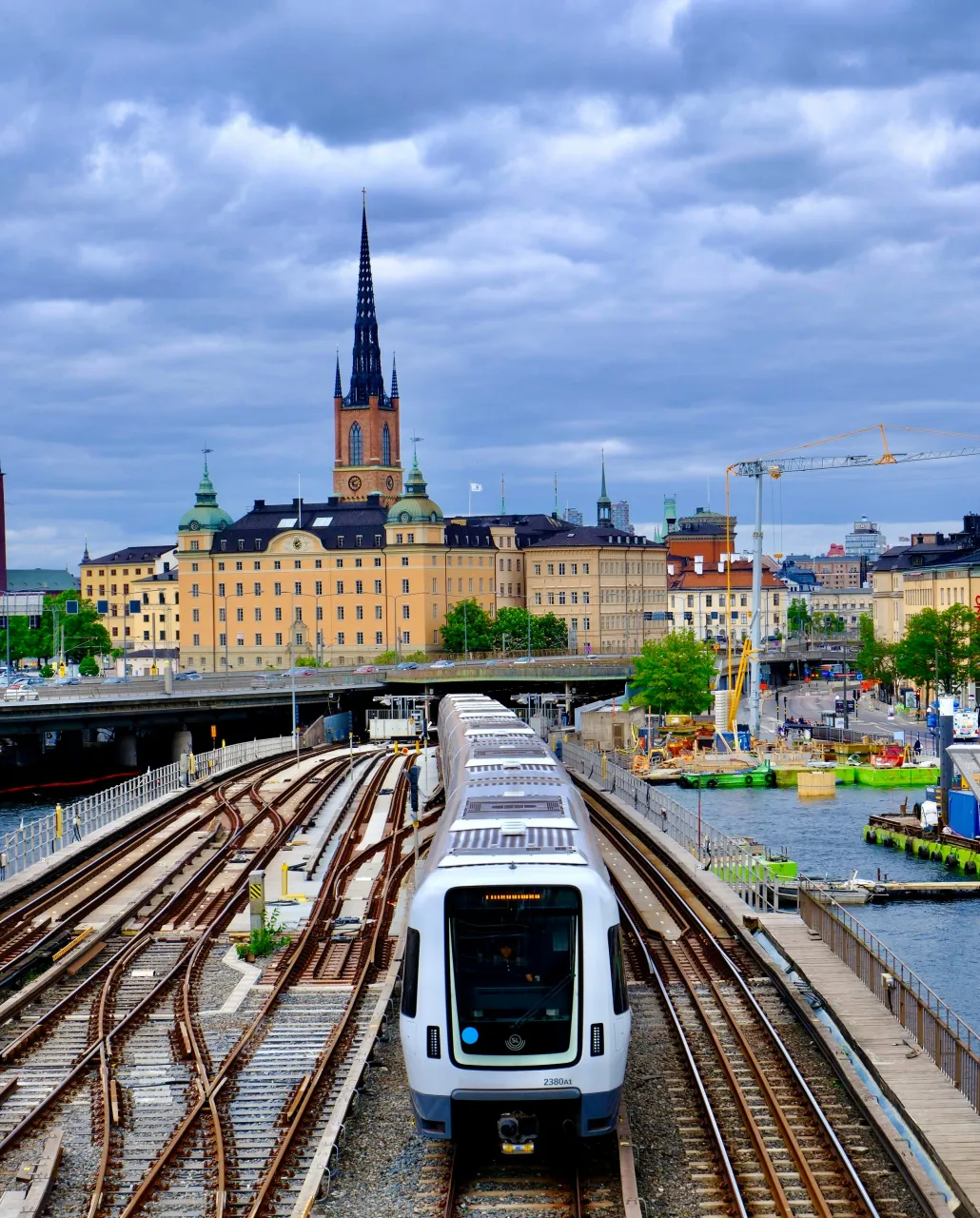
- Metro (Tunnelbana): fastest way between islands and key areas
- Buses: best for short distances and local routes
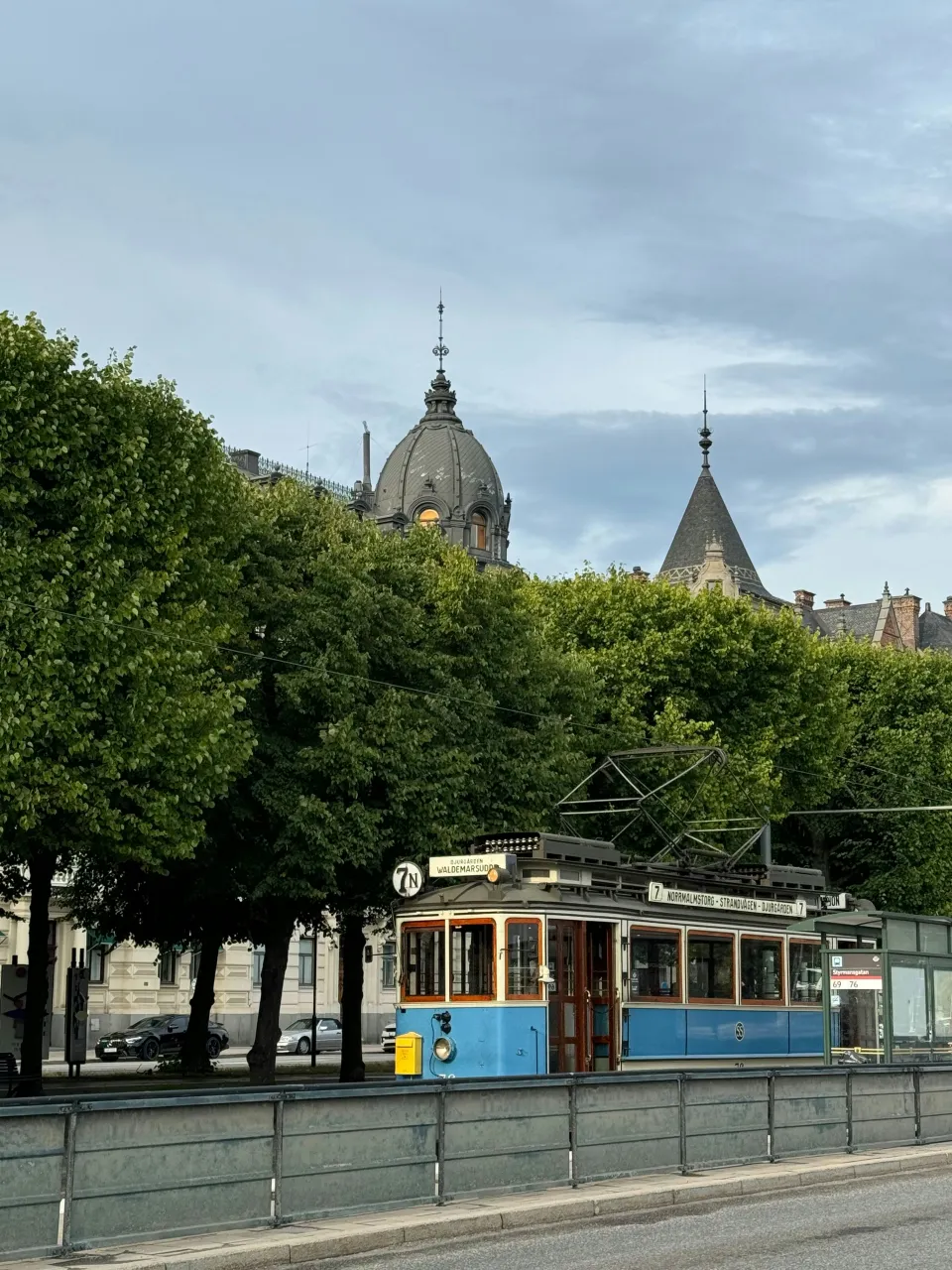
- Trams: limited network, but useful around Djurgården
- Commuter trains (Pendeltåg): for longer distances
- Ferries: several city ferries are included in SL tickets
How it works: Your SL ticket is valid across all SL transport during its time window. Tap or scan at entry (and sometimes exit), and you’re covered.
Tourist rule: walk first
This is the single most effective rule for Stockholm. The city looks small on the map — and it is — but the experience improves when you treat transport as a connector, not your main strategy.
- Walk scenic routes within the core city
- Use SL to connect areas (Old Town ↔ Djurgården ↔ Södermalm ↔ Östermalm/Vasastan)
- If it’s 1–2 stops → walk instead
Bonus: You save time, spend less, and experience more.

Tickets and zones
Stockholm’s ticket system is simpler than it looks — as a visitor, you can ignore most complexity and focus on one thing.
What you need
Most visitors only need:
- SL ticket (Zone A – Stockholm city)
This covers almost everything:
- Metro, buses and trams
- Most city travel
- Some ferry routes
You don’t need to think about zones unless you’re going far outside the city.
Best tourist ticket
The best ticket depends on how you move:
Best default for most visitors:
24h or 72h SL travelcard
Why it works:
- No need to buy tickets repeatedly
- Perfect for short trips and weekends
- Works well with walking + short rides
If you mostly walk: single tickets are often enough.
Simple rule:
3+ rides per day → get a travelcard
Few rides → buy single tickets
How to buy tickets (step by step)
Stockholm becomes much easier when buying tickets is automatic — and the simplest way is to use the SL app.
SL app (recommended)
This is the easiest and most reliable option for visitors.
Step-by-step:
- Download the SL app
- Choose ticket (single, 24h, 72h)
- Pay in the app
- Activate your ticket
- Scan or show QR code when needed
Pro tip: Activate time-based tickets right before your first ride.
If you’re travelling with children, check age rules in the app — some children travel free depending on age and time.
Alternatives (without the app)
If you prefer physical tickets:
- Ticket machines: available in metro stations, easy to use
- SL service points / kiosks: good if you need help
- Contactless card: works in some cases, but less predictable
Best practice: Use the SL app for the smoothest experience. Ticket machines are your backup if needed.
Metro + trams + buses
Stockholm public transport becomes simple when you treat it as a connector between areas — not something you use for every small move.
How to use each mode (tourist logic):
- Metro (Tunnelbana) = your main tool
Fastest way to move between areas (Norrmalm, Södermalm, Östermalm, Gamla Stan).
Best when you want to reset your route: finish one area, jump to the next.
Bonus: some stations have “Stockholm metro art” — but don’t over-plan around it. - Trams = best for Djurgården days
Most useful around museum areas (Skansen, Vasa, ABBA).
Perfect for “walk there, tram back”. - Buses = short hops
Useful for small gaps or local routes.
Best when you’re tired or weather changes.
Avoid if walking is just as fast.
Simple rule: If it’s under ~20 minutes and scenic — walk.
If it connects areas or saves real time — use SL.

Ferries
Ferries are Stockholm’s transport cheat code — they work as both a shortcut across water and a built-in sightseeing experience. Most visitors underuse them, but used right, they upgrade your trip with almost no extra effort.
Djurgården ferry (best for tourists)
If you only take one ferry in Stockholm, make it this one.
Why it stands out:
- Connects central Stockholm with Djurgården (museum island)
- Turns a simple transfer into a scenic experience
- Removes planning friction on busy days
Best use:
Morning → ferry to Djurgården
Afternoon → ferry back for dinner and city life
Tip: Treat it as part of your itinerary — not just transport.
City ferries (Stockholm’s hidden advantage)
Stockholm also has commuter-style ferries that locals use like buses — and some are included in SL tickets.
Why they matter:
- Avoid long bridge detours
- More enjoyable than land transport
- Good for families and all seasons
Smart rule: If you’re crossing water and walking feels inefficient — check ferries first.
Archipelago logic (don’t confuse ferries with day trips)
Key difference:
City ferries = transport inside Stockholm
Archipelago ferries = trips outside the city
For a weekend:
- City ferries → smart and efficient
- Archipelago ferries → only if planned as a half/full-day trip
Simple rule: If it requires strict timing and planning, it’s a day trip — not transport.


Stockholm is walkable
Stockholm is one of Europe’s most walkable capitals — and walking is not just free transport, it’s the best way to experience the city. The water, bridges, viewpoints and neighbourhood streets are the experience.
If you plan Stockholm as a walking city first (and use SL only to connect areas), your trip feels smoother, calmer, and more premium.
Core loop (walk-first strategy)
Think in loops — not point-to-point. The best days are built around one main walking route that flows naturally.
Classic core loop:
Norrmalm → waterfront → Gamla Stan → Södermalm edge → back via bridges
Why it works:
- Stays close to water and views
- Avoids “dead walking”
- Easy to pause (fika, views, photos)
- Ends near good evening areas
Weekend rule: If your plan crosses islands more than once per day — simplify it. Stockholm works best when each day follows one connected flow.
Taxi + Uber + Bolt
Taxis and ride apps are useful in Stockholm — but only in specific situations. Most of the time, walking + SL is faster and simpler.
When they make sense:
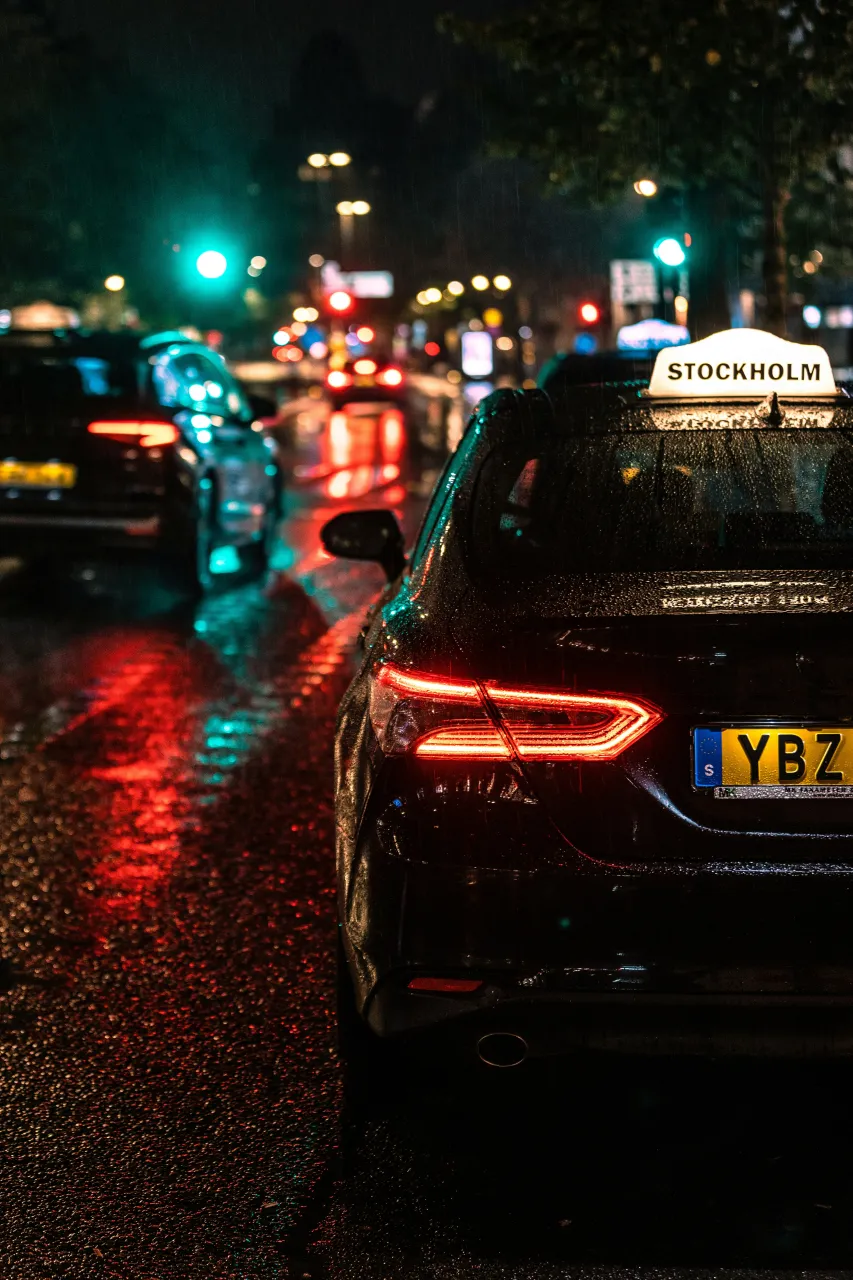
- Late nights when you want a simple ride
- Airport transfers (especially 3–4 people with luggage)
- Travelling with kids, stroller or in cold weather
- Short “last mile” trips when you’re tired
When they don’t:
- Central daytime travel (traffic + cost)
- Short distances between areas (metro or ferry is faster)
- Peak times (Friday–Saturday evenings)
Simple rule: Use ride apps as a backup — not your default. Stockholm is too walkable to spend your trip in cars.
Is the Stockholm Pass worth it?
For most travellers: no — not automatically. The Stockholm Pass only makes sense if your trip is focused on paid attractions.
It can be worth it — but only if:
- You plan multiple paid attractions
- You can fit them in without rushing
- Your trip is closer to 72h than 48h
Worth it if:
- You’re doing a museum-heavy weekend (Djurgården + central museums)
- You’ll visit 3–5 paid attractions
- Bad weather pushes you indoors
Not worth it if:
- You prefer walking, fika and one main attraction
- Your trip is neighbourhood-focused
- You don’t want a fixed schedule
Simple rule:
1–2 attractions → skip the pass
3+ major attractions → compare prices and consider it
Mistakes
Stockholm transport is easy — but many visitors still waste time and money by making the same mistakes. Avoid these and your trip feels instantly smoother.
- 1) Treating Stockholm like a “metro city”
Stockholm is a walking + ferry city — not metro-first.
Fix: walk core areas, use SL only to connect islands. - 2) Zigzagging across islands all day
Distances look short, but water adds friction.
Fix: plan your day in loops instead of jumping between areas. - 3) Overpaying for Arlanda transfers
Many default to expensive options without comparing.
Fix: match transport to budget and group size (train = fast, bus = cheap, taxi = groups). - 4) Buying the wrong ticket
Either too many single tickets or unnecessary passes.
Fix: adapt to your pace — fewer rides vs travel pass. - 5) Not using ferries
Ferries combine transport and sightseeing.
Fix: include Djurgården ferry and SL ferries in your plan. - 6) Using taxi during the day
Traffic + cost makes it inefficient.
Fix: use taxi only when it actually saves effort (late night, luggage, last hop).
FAQs (Getting around Stockholm)
What is the best way to get around Stockholm?
The best strategy is to walk first, then use SL for the key connections. Stockholm is compact, and the best parts of the city are usually experienced on foot, with metro, tram, bus or ferry used mainly to connect islands and bigger areas.
Is Stockholm public transport good for tourists?
Yes. Stockholm public transport is reliable, easy to understand, and covers metro, trams, buses, commuter trains and several ferries through the SL system. Most visitors only need it for a few smart connections, such as Djurgården, longer hops, or bad-weather days.
How do I get from Arlanda to Stockholm city centre?
The fastest option is Arlanda Express. The best value is usually airport bus or, depending on timing, other rail options. The most convenient option for groups or heavy luggage is taxi, especially if you split the cost.
Do I need cash for public transport in Stockholm?
No. Stockholm is largely cash-free. Most visitors use the SL app, ticket machines, or contactless card where supported.
Do tourists need a travel pass in Stockholm?
Sometimes. If you are walking most of the weekend, a travel pass may not be necessary. But if you are moving between islands often, visiting museums, or taking several rides per day, a 24h or 72h pass can be worth it.
Are Stockholm ferries included in SL tickets?
Some are. Several city ferries are included in valid SL tickets and passes, while deeper archipelago routes follow separate ticket logic. As a rule: city transport ferries usually fall under SL, while archipelago day trips usually do not.
Is Stockholm walkable?
Yes — very. Stockholm is one of Europe’s best cities to explore on foot for a weekend. The central islands are linked by bridges and waterfront paths, and walking is a major part of the experience.
Continue planning Stockholm
Want the full Stockholm plan, not just transport? Go back to the main guide and continue with areas, itineraries, restaurants, and more.
Back to Stockholm Travel Guide
Apartments
-

Kungsholmen Studio

Stockholm - Sweden 2 guests
-

Kungsholmen One Bedroom with Sofabed
Stockholm - Sweden 4 guests
-

Kungsholmen Two Bedroom for 3 with Sofabed
Stockholm - Sweden 5 guests
 Vander is a scandinavian hotel apartment chain where you feel more at home than away. Stay for months, weeks or just one night, in a modern apartment.


Copyright © 2026 The Sweet